Hi friends, Jenny here!
Picture this. You unzip your child’s backpack, and out tumbles an avalanche of crumpled worksheets, half-finished homework, and a permission slip from three weeks ago. Sound familiar?
Quick gut check:
- Do papers fly out every time the backpack opens?
- Do important papers go missing on a regular basis?
- Would you love tips on paper management, time management, and study skills your kids will actually use?
If you said yes to even one, keep reading.

I created this system for my son, who has ADHD, when he started high school, and it’s the one I share with parents and students in my presentations. It lightens the backpack, and every quiz, test, and set of notes becomes a ready-made study guide for finals.
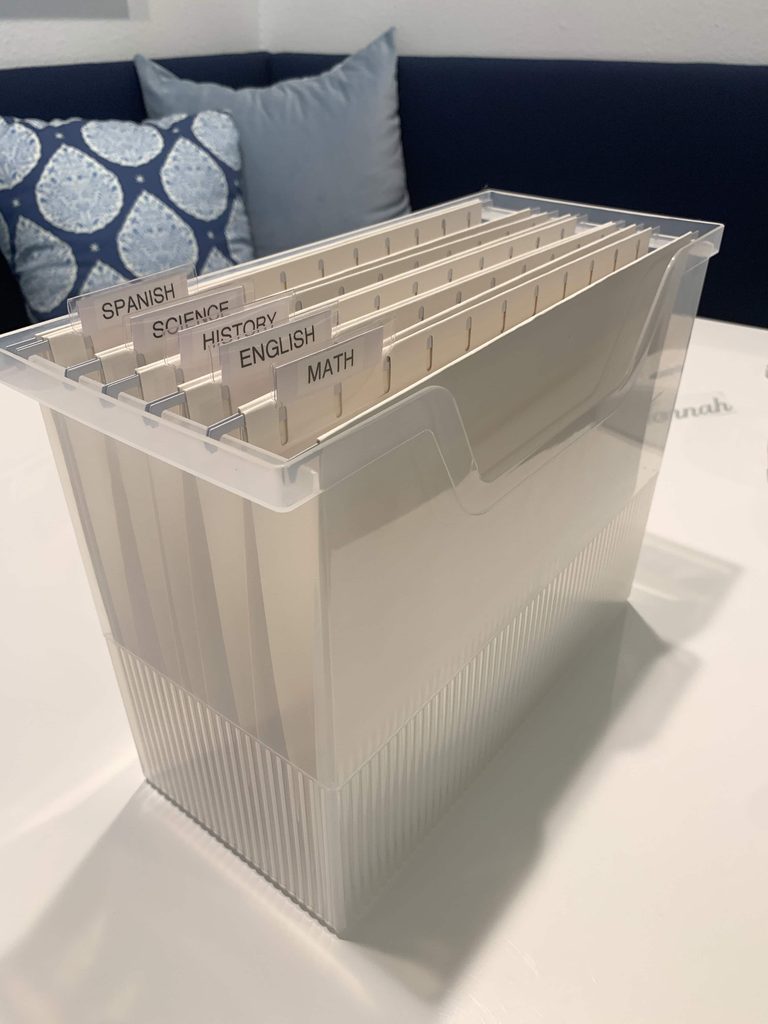
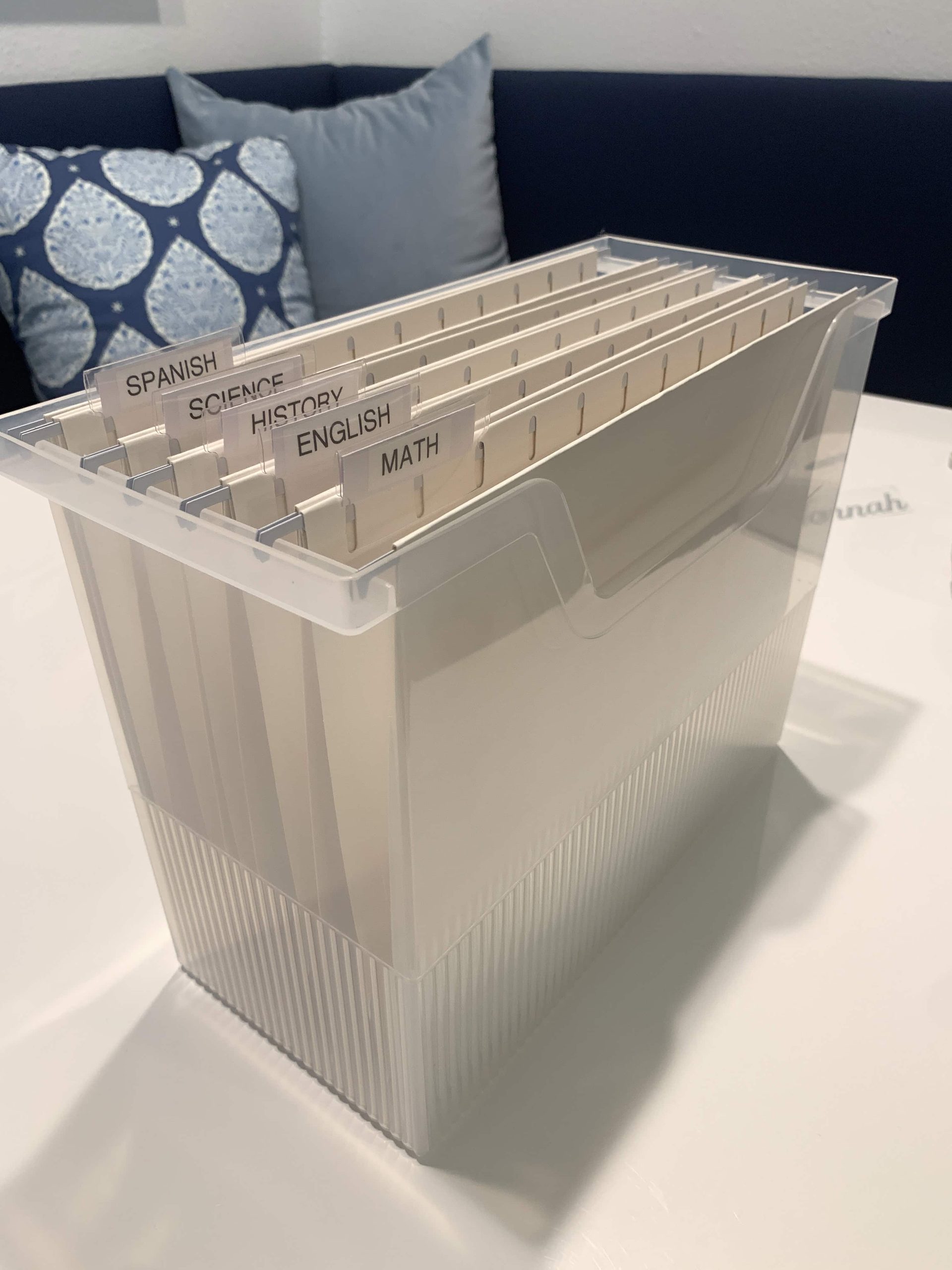
The System: One Folder Per Subject
Here’s the whole thing. Make one folder per subject and keep the labels general. History, not American History. Math, not Calculus. That way you can reuse the same folders year after year.
Keep it simple. That’s the key!
What You Need to Organize School Papers
You probably have half of this at home already:
- A clear open-top file box from Amazon. We also love this one from The Container Store
- Hanging file folders, one for each subject
- Binder clips to hold each unit together
- Labels. I like the Brother ½” label maker, but truly, a Sharpie works. It does not need to be fancy.
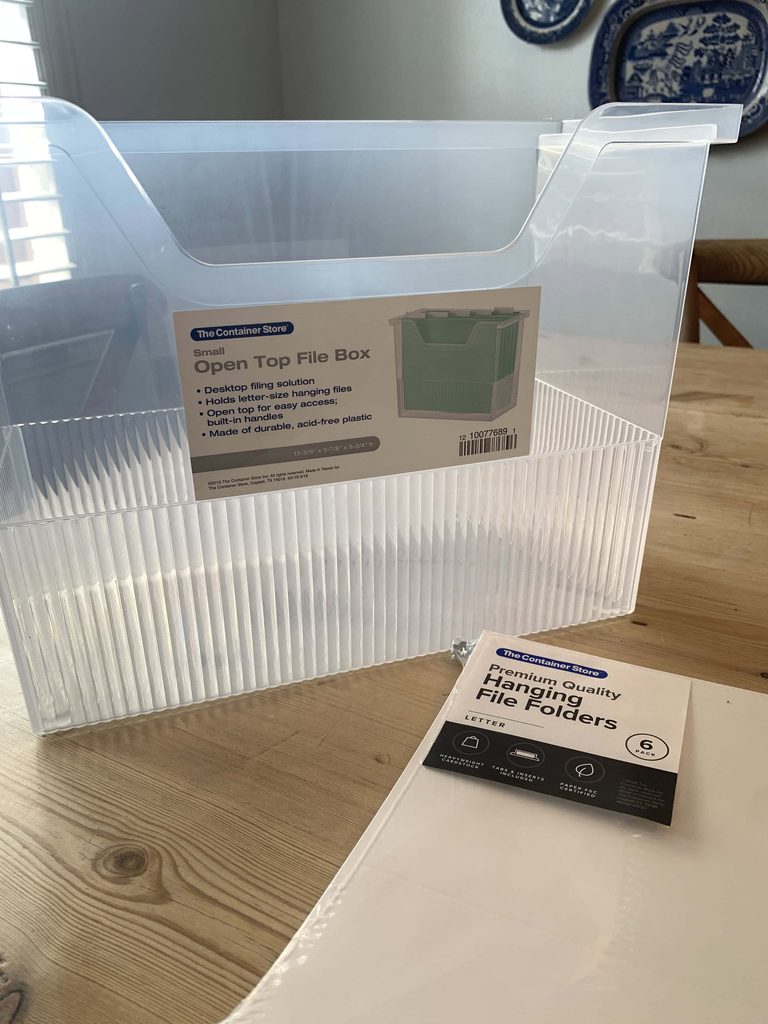
How It Works (It Takes About Two Minutes)
At the end of every unit or chapter, once the test comes back, your child:
- Pulls everything for that unit out of the binder: notes, tests, quizzes, flash cards.
- Clips it all together with a binder clip.
- Drops it in the corresponding subject folder.
That’s it. Repeat all year long.
Now fast-forward to exam time. Every subject is already sorted by chapter, with the key facts, formulas, and sample questions in one place. No more digging through the bottom of a backpack at 10 p.m. the night before the test.
Bonus: those same papers come in handy for ACT and SAT prep, especially math formulas. As your student gets older, add folders for test prep and college research.
And here’s the part I love most. The organizing skills your child learns here may end up being more valuable than the subject matter itself. This is a true life skill, and as parents, it’s our job to teach it. So I say it with love: SURRENDER TO ORGANIZATION!
And yes, it’s completely okay to set up the file box for them. Getting them started, showing them how, and telling them why is one of the best ways to teach.
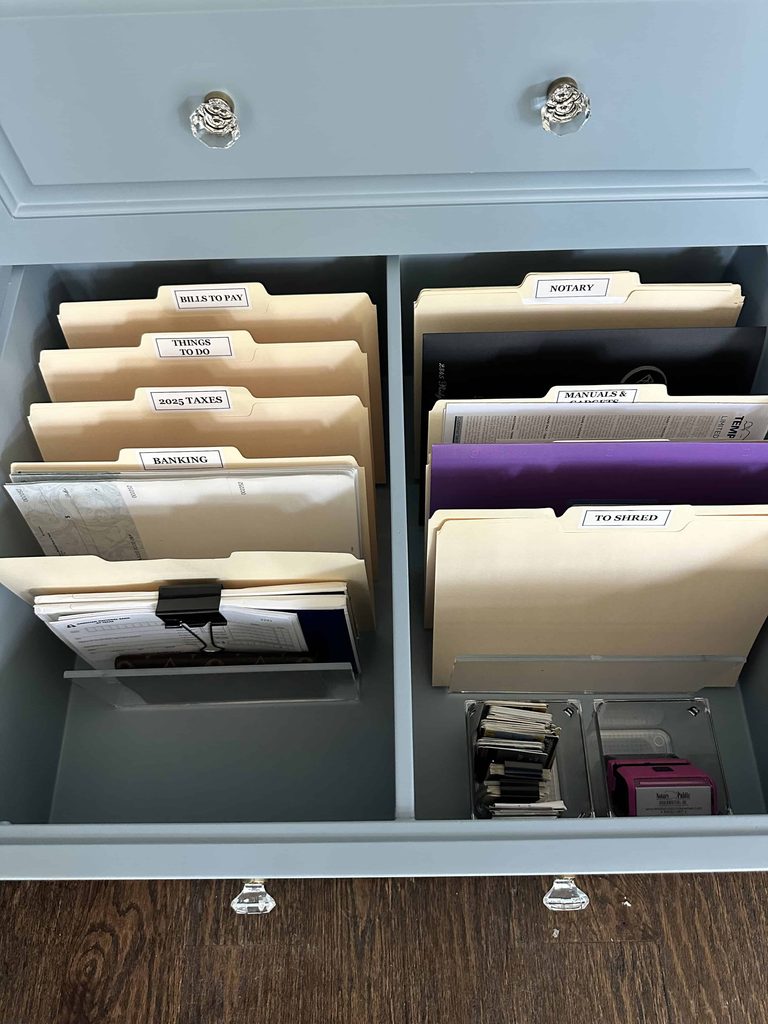
Explain the Why (Seriously, Don’t Skip This)
Kids are much more likely to use a system when they understand why it works. So skip the lecture and walk them through the payoff:
- Their backpack gets lighter. Their shoulders will thank them.
- No more papers flying out of binders. No more “I swear I turned that in.”
- Everything they need for exams is already in order. Future them will be so grateful.
- More time for fun later. When a friend texts about a movie on Saturday, they can say yes their work is done and they are prepared in advance.
Notice that last one. Kids don’t get excited about folders, but they get very excited about Saturday. That’s time management in action: finish the work first, and the free time is guilt-free.
What to Keep and What to Toss
Keep everything until it’s no longer needed, usually after final exams. If the class builds into next year’s, like math or a language, slim the folder down to the most useful pieces. Everything else can go. Your child starts the new school year with empty folders and a clean slate. It feels amazing.
A Quiet Win (A True Story)
When my son started high school, he got off to a rocky start. So I made him a file box and explained how it worked.
He was not impressed. He sighed and said, “Mom, leave me alone. I can do this myself.”
Message received. I left the box in his room and didn’t say another word. (This took more willpower than any organizing project I’ve ever tackled.)
A few months later, I was prepping for a parent presentation on helping high schoolers get organized, and I went to grab that box to use as a prop. Honestly? I felt like a fraud. Who was I to give other moms tips on helping teens get organized? Then I opened the box.
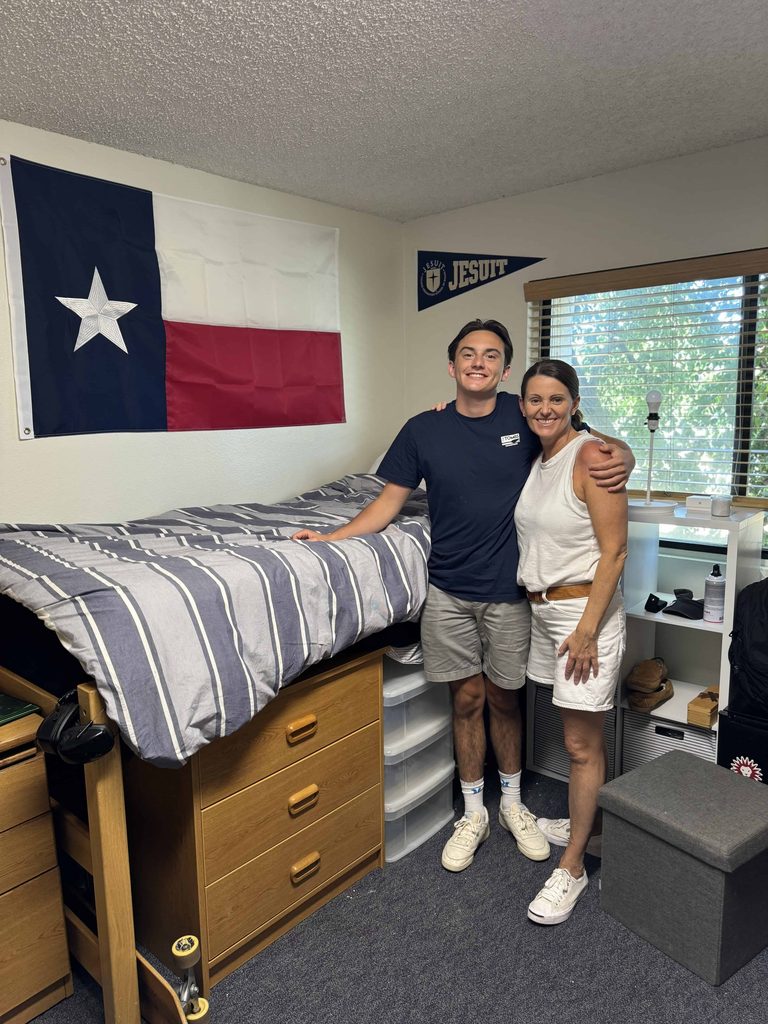
There were papers inside. He was using the system!
I was beyond thrilled, but I did not rub it in. I took it as a quiet win and kept my mouth shut.
He’s a senior in college now, and he still uses it.
Common Mistakes (I’ve Made Most of Them)
- Nagging. It’s a sure-fire way to make kids rebel against a good idea.
- Expecting it to click right away. They’re kids. Baby steps.
- Skipping the how and why. Coach them through it instead of assuming they’ll figure it out.
- Sharing every tip at once. Introduce one idea and let them come to it in their own time. They get there when they get there. And if they don’t remember it was your suggestion, who cares? Let them think it was 100% their idea.
Start Building the Habits Young
Middle school is the perfect time to introduce this system. It’s completely okay for you to set up the folders and hand them over. Explain how it works, then step back and let your child make it their own.
If your child is in high school or beyond, it’s never too late.
You don’t need a perfect system or a color-coded label maker. You need a few folders, a handful of binder clips, and a little patience. Start with one subject this week and see what happens.
I’d love to hear how it goes. Tell me in the comments: what’s the weirdest thing you’ve ever found at the bottom of your kid’s backpack?
If you’d like help setting up a system that works for your family, our team of organizing moms would love to help.
Love where you live,
Jenny
P.S. This isn’t just for kids. Adults need a paper system even more. Bills, documents, medical records, school forms: life keeps happening, and so does the paper. We don’t just do beautiful pantries and closets. We help you stay on top of real life.